Encave: Bold, Rugged, and Built for Impact
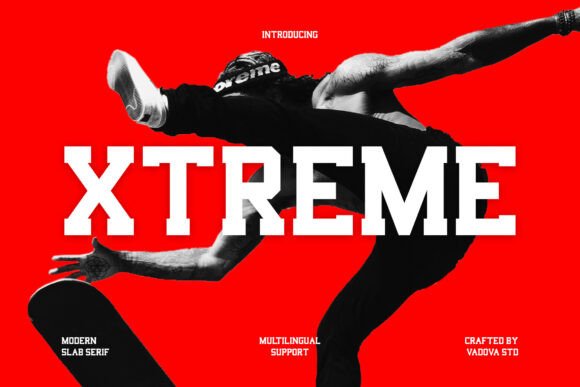
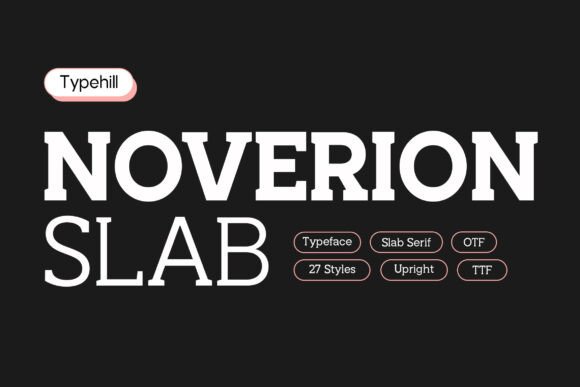
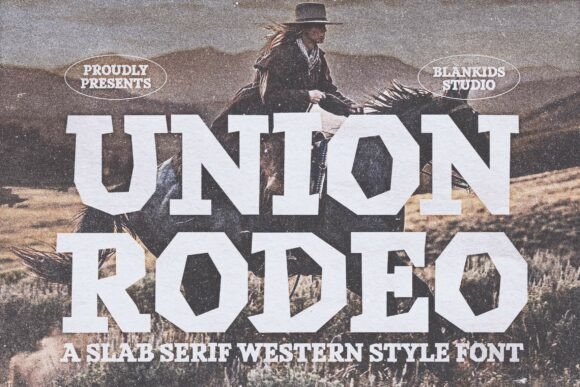
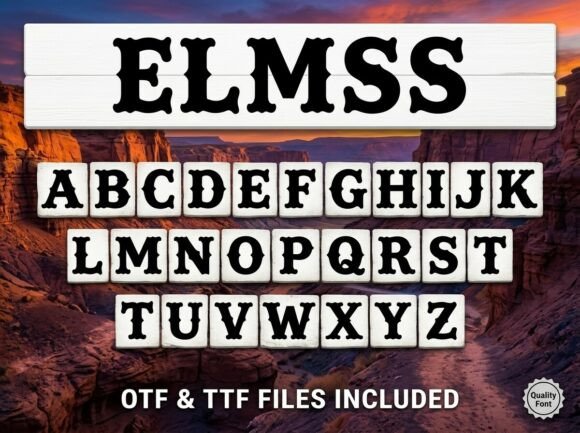
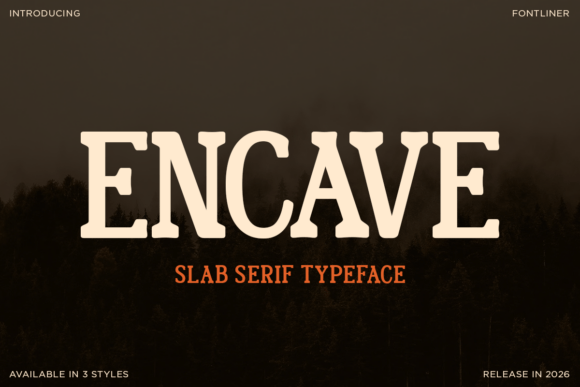
Encave is a typeface that stands out with its strong, slab serif design. It combines a rugged, industrial look with modern precision, making it perfect for projects that need a powerful visual presence. Whether you're designing a logo, creating a poster, or working on packaging, Encave delivers the kind of impact that grabs attention and leaves a lasting impression.
At its core, Encave is designed to be versatile. It works well in both digital and print formats, adapting smoothly to different sizes and contexts. Its bold strokes and clean lines make it easy to read, even at smaller sizes, while its unique character adds personality and style. This balance between strength and clarity makes Encave a go-to choice for designers looking for a typeface that can handle a wide range of creative needs.
What Makes Encave Stand Out?
One of the key features of Encave is its blend of ruggedness and refinement. The typeface has a masculine, solid tone that gives it a sense of authority and confidence. This makes it ideal for brands or projects that want to convey strength, reliability, or tradition. At the same time, Encave isn't overly aggressive—it maintains enough elegance to work in more sophisticated designs as well.
The slab serif structure of Encave gives it a distinctive look. Unlike traditional serifs, which often have small decorative elements, slab serifs like Encave have thick, block-like strokes that create a bold, eye-catching appearance. This design choice makes it particularly effective for headlines, logos, and other elements where visual impact is important.
Where Can You Use Encave?
Encave is highly adaptable, making it suitable for a variety of applications. Here are some common use cases:
- Branding: Encave is great for logos and brand identities that need a strong, memorable look. Its bold nature helps establish a clear visual identity that stands out from competitors.
- Posters and Advertising: When you need a headline that commands attention, Encave delivers. It works well in both digital and print media, whether you're creating a movie poster, event flyer, or product ad.
- Packaging Design: Encave can add a striking element to product packaging. Its rugged aesthetic pairs well with outdoor, adventure, or vintage-themed products, giving them a unique and authentic feel.
- Web and Digital Media: Encave is also useful in web design, especially for headings, banners, and call-to-action buttons. Its legibility at different sizes ensures that your message remains clear and impactful online.
Whether you're working on a personal project or a commercial campaign, Encave offers the flexibility to fit your needs without sacrificing style or readability.
Who Benefits from Using Encave?
Encave is ideal for a wide range of users, from beginners to experienced designers. If you're just starting out, it's a great typeface to experiment with because it's visually striking yet easy to work with. For professionals, it provides a reliable option for high-impact design work that requires both strength and sophistication.
Entrepreneurs and small business owners may find Encave useful for branding their products or services. Its bold, confident look can help build trust and recognition, especially in industries where a strong visual identity is important. Educators and students can also benefit by using Encave in presentations, posters, or classroom materials to create engaging and professional-looking content.
Considerations Before Using Encave
While Encave is a powerful typeface, it's important to consider how it fits into your overall design. Because of its bold nature, it may not be the best choice for body text or long paragraphs. Instead, it shines when used strategically as a headline, logo, or focal point in a design.
Another thing to keep in mind is the context of your project. Encave works well with certain styles—like outdoor, vintage, or modern themes—but might not complement more delicate or minimalist designs. It's always a good idea to test the typeface in different scenarios before finalizing your design.
Finally, if you're using Encave for commercial purposes, make sure you have the proper license. Typefaces often come with specific usage rights, and understanding these can help avoid legal issues down the line.
Encave in Action: Real-World Examples
Let’s look at a few practical examples of how Encave can be used effectively:
- Outdoor Branding: A hiking gear company could use Encave in their logo to emphasize strength and durability. The typeface would reinforce the brand's connection to the outdoors and adventure.
- Vintage-Inspired Design: A retro-style café might use Encave in its signage or menu headers to give a nostalgic, authentic feel. Its rugged look complements the vintage aesthetic perfectly.
- Modern Identity: A tech startup looking for a bold, confident image could use Encave in their website headers or app branding. It adds a sense of innovation and reliability.
These examples show how Encave can be adapted to different styles and industries, proving its versatility and effectiveness.
Why Choose Encave?
Encave is more than just a typeface—it's a tool that can elevate your design work. Its unique combination of ruggedness and refinement makes it stand out in a crowded design landscape. Whether you're looking to make a statement, build a brand, or create visually compelling content, Encave offers the right balance of power and style.
For anyone who wants to add a strong, memorable element to their design, Encave is a smart choice. It's built to perform, adaptable to many uses, and designed with both impact and usability in mind. With Encave, you’re not just choosing a font—you’re choosing a visual statement that speaks volumes.