Dusty Letter: A Bold Expression of the American West
In the world of typography, few fonts manage to capture the essence of a place and time as effectively as Dusty Letter. This powerful and authentic slab serif display font is more than just a visual choice—it's a statement. With its bold, sturdy letterforms and heavily distressed texture, Dusty Letter evokes the raw spirit of the American West and the craftsmanship of old-world artisans. Whether you're a designer, a writer, or someone who appreciates the beauty of typography, Dusty Letter offers a unique way to express history, strength, and authenticity.
What Is Dusty Letter?
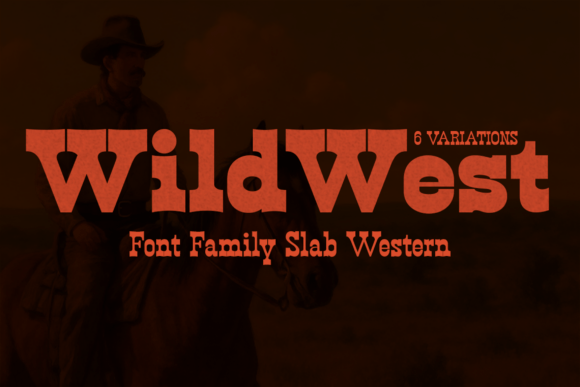
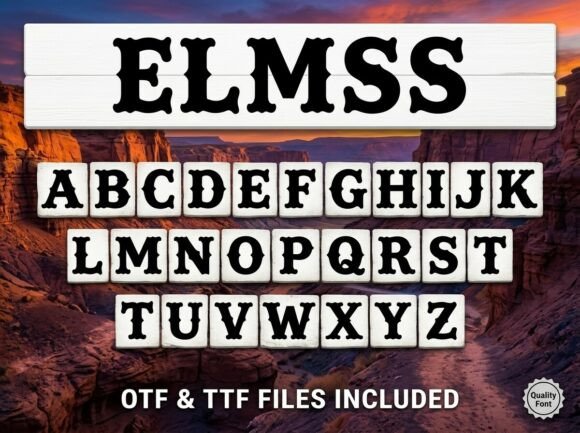
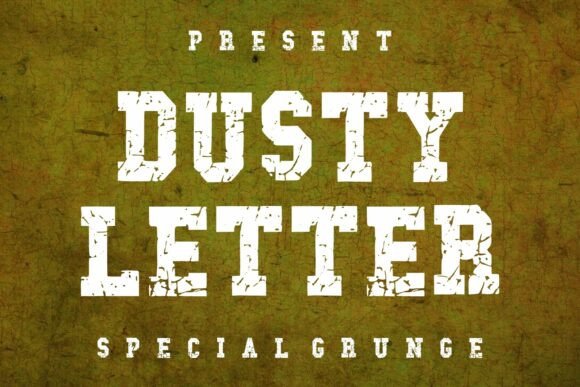
Dusty Letter is a slab serif font that stands out for its distinctive style and character. Slab serifs are known for their thick, block-like serifs, which give them a strong and confident appearance. Dusty Letter takes this foundation and adds a layer of aged, weathered texture that makes it feel like it has a story to tell. The font’s design is inspired by the rugged landscapes and traditional craftsmanship of the American West, where every detail matters and every creation carries a sense of purpose.
The letterforms in Dusty Letter are square and emphasized, with sharp edges and a sense of solidity. These features make the font highly readable, even at large sizes, while also giving it a bold presence. The distressed elements—such as cracks, scratches, and faded details—add a natural, organic look that mimics the wear and tear of time. This combination of structure and imperfection gives Dusty Letter a unique charm that sets it apart from other fonts.
The Inspiration Behind Dusty Letter
The name "Dusty Letter" itself hints at the font’s inspiration. It draws from the imagery of dusty trails, weathered signs, and the timeless appeal of old-world craftsmanship. The American West, with its wide-open spaces, rugged terrain, and rich cultural heritage, provides a perfect backdrop for a font that exudes strength and authenticity. Dusty Letter is designed to reflect that spirit, offering a visual language that speaks to the past while remaining relevant in the present.
Old-world craftsmanship refers to the meticulous attention to detail and the use of traditional techniques that were once common in art, architecture, and design. Dusty Letter captures this ethos through its handcrafted look and feel. Each letter is designed to resemble something that might have been carved by a skilled artisan or written on a weathered piece of paper. This connection to the past adds depth and meaning to the font, making it more than just a stylistic choice.
The Purpose and Significance of Dusty Letter
Dusty Letter serves multiple purposes, both aesthetic and symbolic. In design, it can be used to create a strong visual identity that conveys strength, tradition, and authenticity. Its bold appearance makes it ideal for headlines, logos, and branding materials that need to stand out. At the same time, its aged texture adds a sense of history and nostalgia, which can be particularly appealing in industries that value heritage and craftsmanship.
From a symbolic perspective, Dusty Letter represents the values of resilience, simplicity, and hard work. These are qualities that are deeply rooted in the culture of the American West and the traditions of old-world craftsmanship. By using Dusty Letter, designers and creators can communicate these values in a way that feels genuine and meaningful.
Practical Relevance in Modern Life
While Dusty Letter may seem like a font that belongs to the past, its relevance in modern life is undeniable. In today’s fast-paced, digital world, there is a growing appreciation for things that feel real, authentic, and handmade. Dusty Letter fits into this trend by offering a design that feels grounded and connected to the physical world.
For businesses, Dusty Letter can be an effective tool for building a brand that resonates with customers who value tradition and quality. It works well for companies in industries such as outdoor gear, vintage clothing, and artisanal products, where the visual identity needs to reflect the values of the brand. For example, a company that sells handmade leather goods might use Dusty Letter in its logo to emphasize the craftsmanship and care that goes into each product.
In education and creative fields, Dusty Letter can be used to inspire students and artists. Its unique style encourages creativity and helps students think about how typography can convey meaning and emotion. Teachers might use it in lessons on design history or typography to illustrate the evolution of typefaces and their cultural significance.
How Dusty Letter Fits Into Different Areas of Life
Dusty Letter’s versatility allows it to fit into various aspects of life, from personal projects to professional endeavors. In the realm of technology, for instance, it can be used in user interfaces or app designs that aim to evoke a sense of nostalgia or ruggedness. While most digital interfaces favor clean, modern fonts, Dusty Letter offers an alternative that can add character and personality to a design.
In daily activities, Dusty Letter can be used in personal projects such as handmade greeting cards, custom t-shirts, or DIY home decor. Its aged texture and bold style make it ideal for creating items that feel unique and one-of-a-kind. For example, a person might use Dusty Letter to design a poster for a local event, giving it a vintage feel that appeals to a specific audience.
Common Misconceptions About Dusty Letter
One common misconception about Dusty Letter is that it is only suitable for certain types of projects, such as Western-themed designs or rustic aesthetics. While it does fit well in those contexts, Dusty Letter is more versatile than many people realize. Its bold and structured letterforms make it appropriate for a wide range of applications, including corporate branding, editorial design, and even digital media.
Another misunderstanding is that the distressed texture of Dusty Letter makes it less readable. However, when used appropriately, the font remains highly legible, especially at larger sizes. The key is to balance the aged look with clear, well-proportioned letterforms. Designers should also consider the context in which the font will be used, ensuring that it complements the overall design rather than overwhelming it.
Conclusion
Dusty Letter is more than just a font—it’s a symbol of strength, tradition, and authenticity. Its bold, sturdy letterforms and aged texture make it a powerful choice for designers, businesses, and creatives who want to convey a sense of history and craftsmanship. Whether used in branding, education, or personal projects, Dusty Letter offers a unique way to connect with the past while staying relevant in the present.
By understanding the purpose, significance, and practical applications of Dusty Letter, readers can appreciate its value beyond just its visual appeal. It serves as a reminder that typography is not just about words, but about the stories, values, and emotions that shape our world.